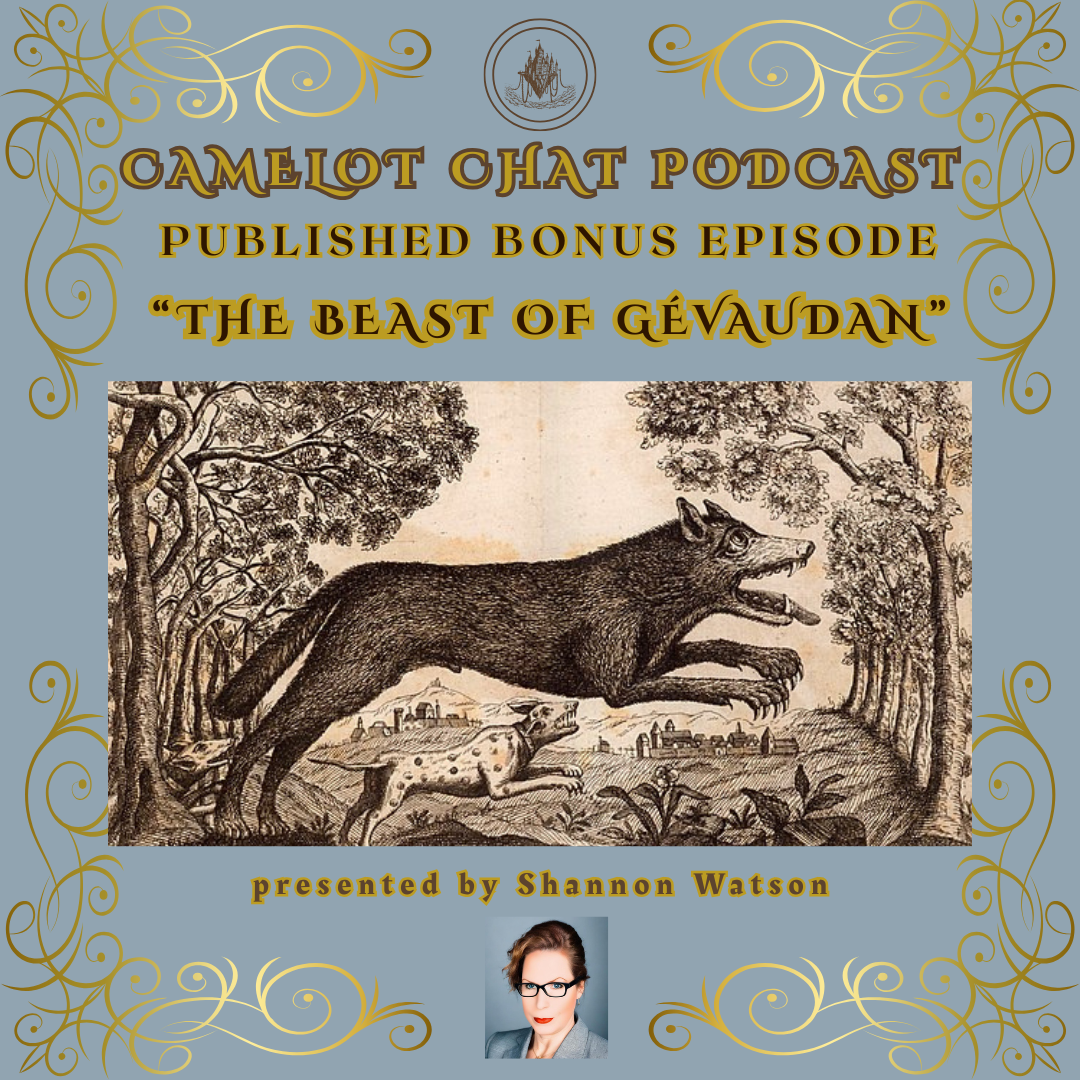
Tales of the Beast of Gévaudan
… One spectacular example of a medieval "werewolf scare" is that of the Beast of Gévaudan. In 1765, Louis XV sent troops to kill a rumored loup-garou that was terrorizing France.
The story goes that, in 1764, reports from southwestern France began drifting north into the royal court of King Louis the XV. Reports of anywhere from 60 to over 200 deaths. Specifically, deaths by animal attack. Victims partially eaten. Victims with their throats ripped out. A most persistent animal, who attacked in daylight and often, in village centers.
But no one could identify the beast…
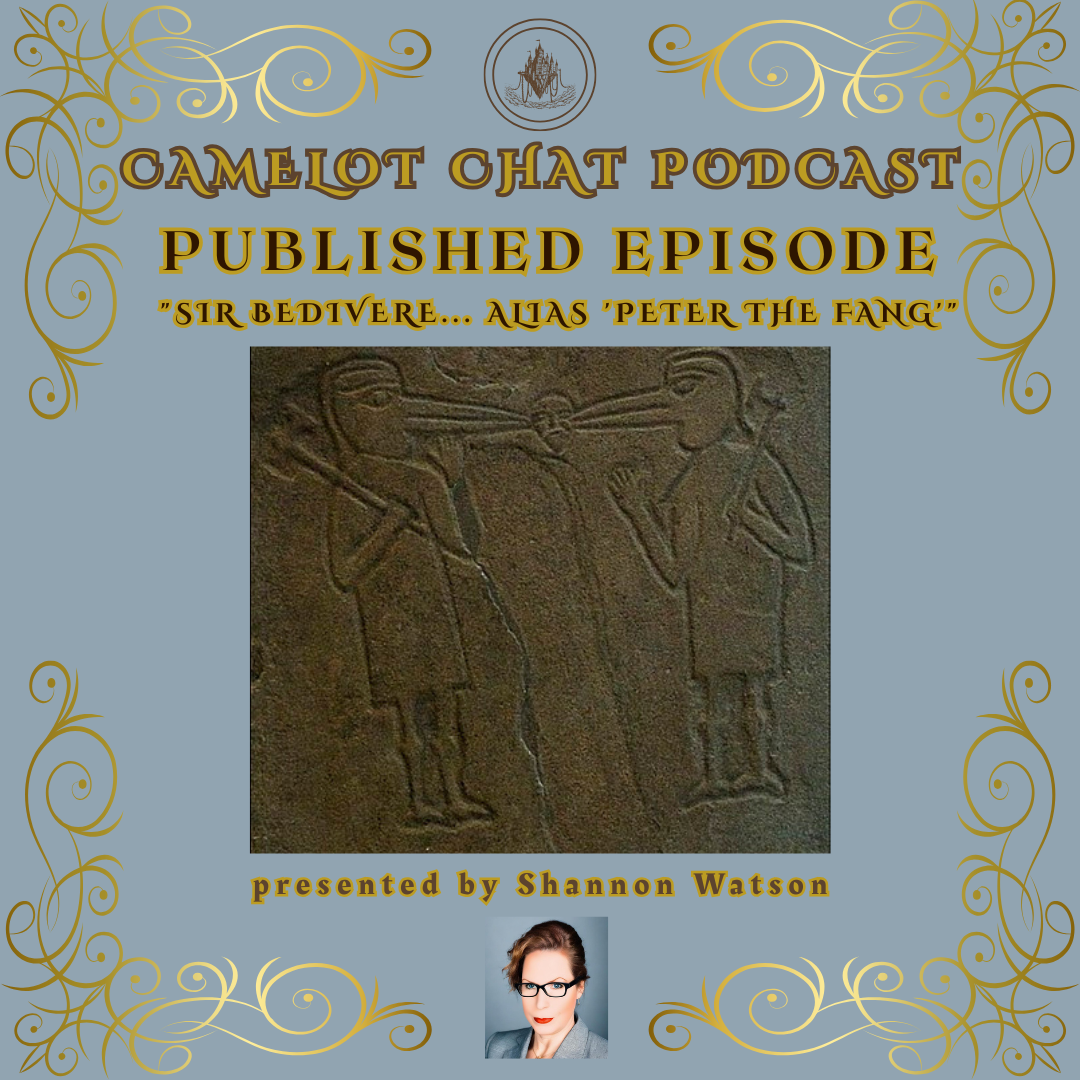
Sir Bedivere… Alias “Peter the Fang”
THE WOLF OF ANSBACH:
In a reported werewolf attack of the late seventeenth century, the Wolf of Ansbach slaughtered a number of people, beginning with livestock, and progressing to children. The late, unlamented leader of Ansbach had recently died, and the citizens believed the animal was actually a reincarnated version of him in werewolf form.
So, the townspeople held a wolf hunt. Replete with hounds and hoes and spears and pitchforks and all the usual accoutrements.
Driving the wolf from the woods, they chased it down with dogs. It leapt into an uncovered well. And after that, well, it was a turkey shoot…

Berserkers: Revisiting Michael Crichton’s “Eaters of the Dead”
… Maybe Sir Bedivere wasn't so “courtly,” after all? The “knights” in King Arthur’s Court actually originated from a much earlier, much “darker” time and place. Theirs was not the fairy castle with gilded towers, swans floating by in the dark blue moat below. No steel-clad soldiers in shining armor, here.
Arthur’s knights were much likelier to have been barbaric warriors along the lines of Braveheart. Some still used clubs: a weapon straight out of the Stone Age. Their fortresses would have matched up well, too, with Braveheart’s forts: small, wooden, and bristling with spikes called peels. The Roman castles in the fifth century were falling into ruin, and no one had enough men to man all of them anyway. But the frontier hillforts, the province of small, local chieftains, survived. At least, for a while.
So, rather than the handsome Sir Bedivere of French romance, we are confronted with a savage man, probably part-Pictish, who fought like a demon in battle and, as a consequence, was left with only one arm…

Bedrydant, Better Known as “Peter the Fang”
… The Arthurian knight known as Sir Bedivere was also called Bedwyr and Bedrydant. So many names! But was any of them Bedivere’s real name?
The short answer is, “Probably not.”
For the longer answer, keep listening…

Sir Bedivere the Cupbearer
… Sir Bedivere was King Arthur’s cupbearer. Evidence of cupbearers serving at medieval courts survives from ancient times. They are there in the Old Testament, when Solomon met Sheba. They are there in the Iliad, pouring ambrosia into golden goblets for the gods on Mount Olympus. They were there in ancient Egypt, standing beside the Pharoah in a gold-glimmering throne room.
There is even a report, roughly contemporary with Arthur, of a “Count of the Cupbearers,” serving in Visigothic Spain. This meant there was literally a corps of cupbearers with a nobleman at their head, who served as Chief Cupbearer. The other cupbearers would have waited on the king's royal guests.
It is likely that this arrangement, with Bedivere as Chief Cupbearer, is what would have obtained in King Arthur’s court…